Designing around how schools actually recycle
Connecting household onboarding with the recycling rules each school actually uses.
Plastic Bank was expanding school recycling in Indonesia and the Philippines. I worked on school and household onboarding, then used field research to shape guidance for what families should bring to their school.
At a glance
- 5,486 signups
- School and bank sampah households
- 1 screen
- Photo retake and crop combined
- Handoff complete
- School and household onboarding
Problem
Joining did not explain what to bring
The onboarding work gave schools and households a way to join, but participation also depended on local collection rules. A general recycling guide could tell a household to bring materials its school did not accept.

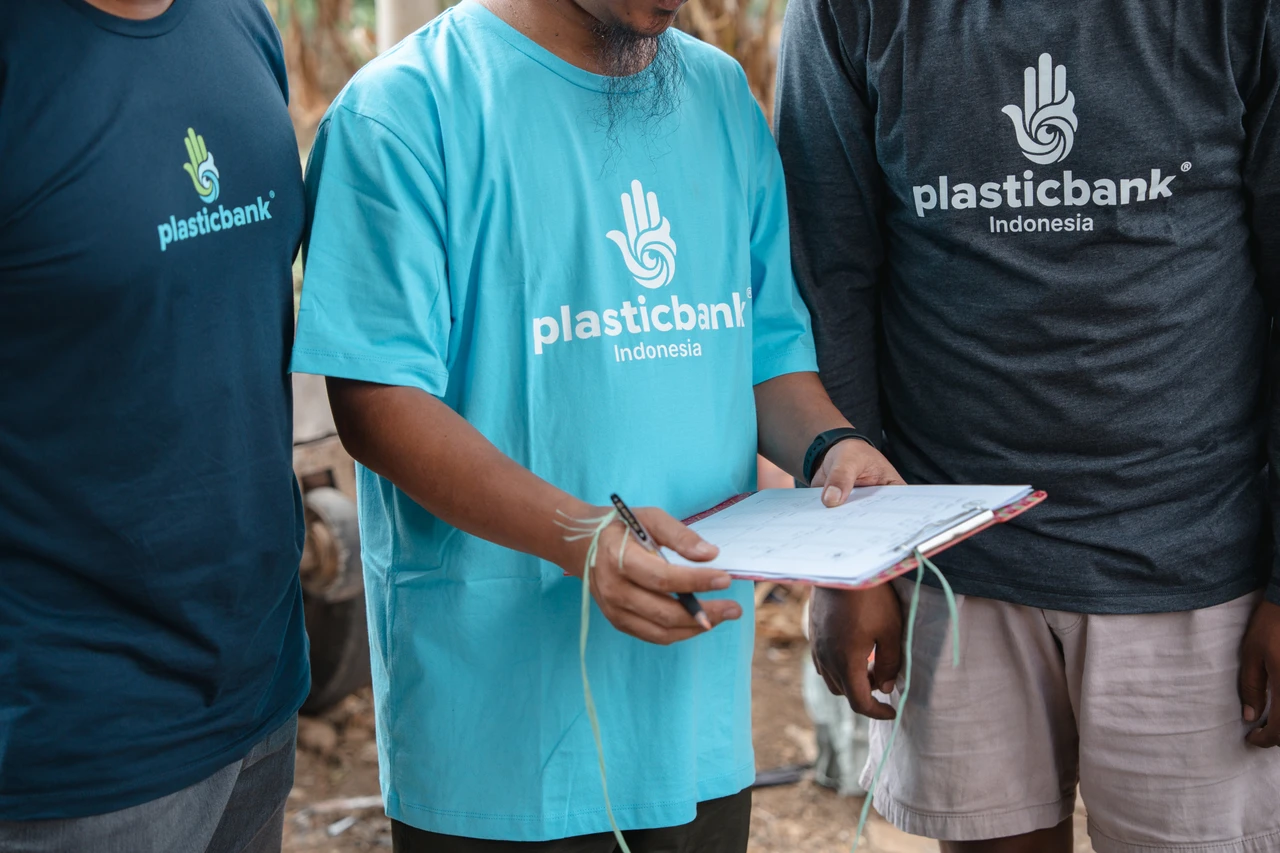
 Local teams went on missions to disprove our assumptions and uncover what we’d missed.
Research
The school determined the correct instructions
School visits, household research, and conversations with operations showed why one guide would fail. Some schools accepted materials from home; others handled only campus waste. Accepted materials depended on collection partners, and schools used paper records, WhatsApp, and sometimes sack estimates instead of scales.
The instructions therefore needed to come from each school’s programme. I used that finding to define a school-specific guidance brief.

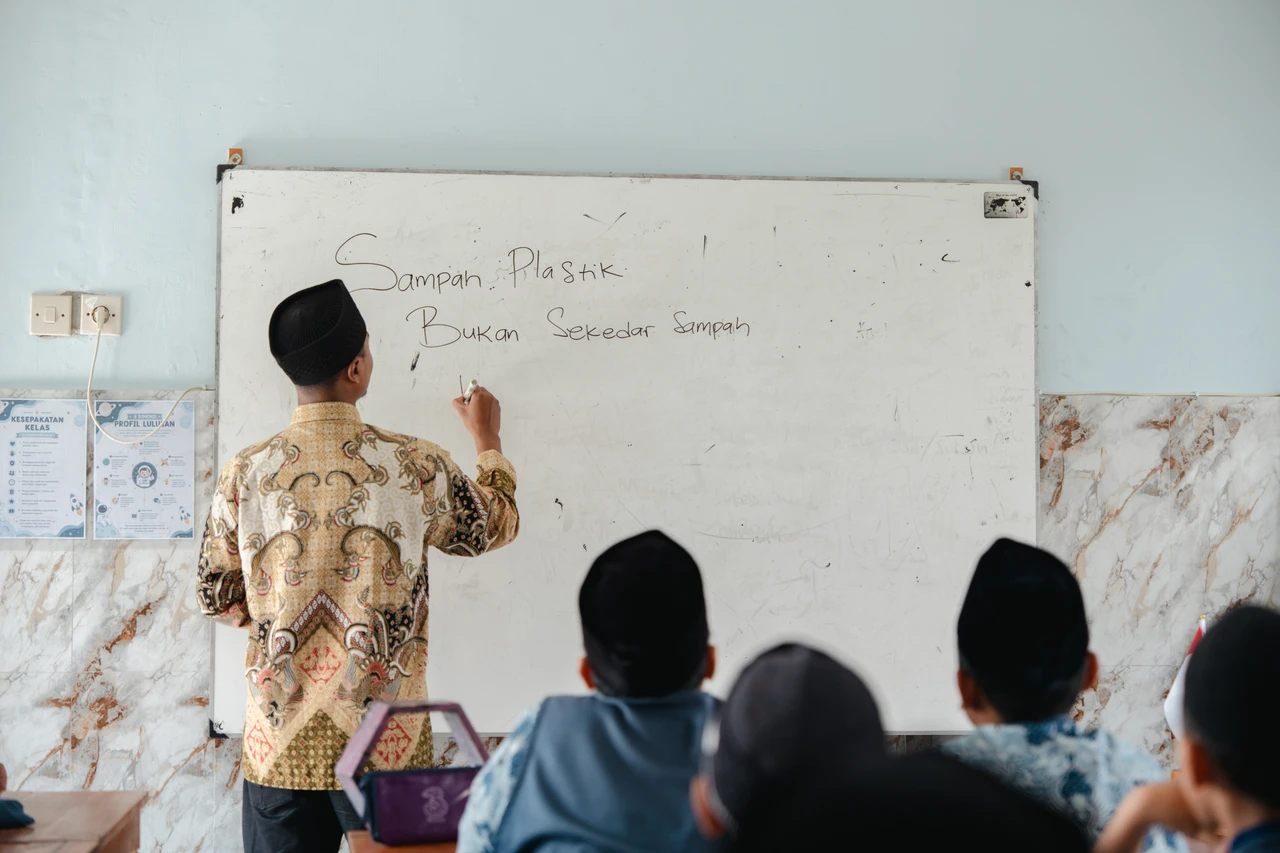 School visits revealed differences in accepted materials, collection, and record keeping.
Design response
Make the school the source of guidance
The proposed model lets schools select accepted materials and add local instructions, then shows those choices to their households. Missing setup is surfaced to the school; households are not given generic instructions as though they were confirmed.
This guidance builds on the account designs shown below, which cover joining a school, viewing progress, and managing participants. The guidance itself remains a proposed extension.

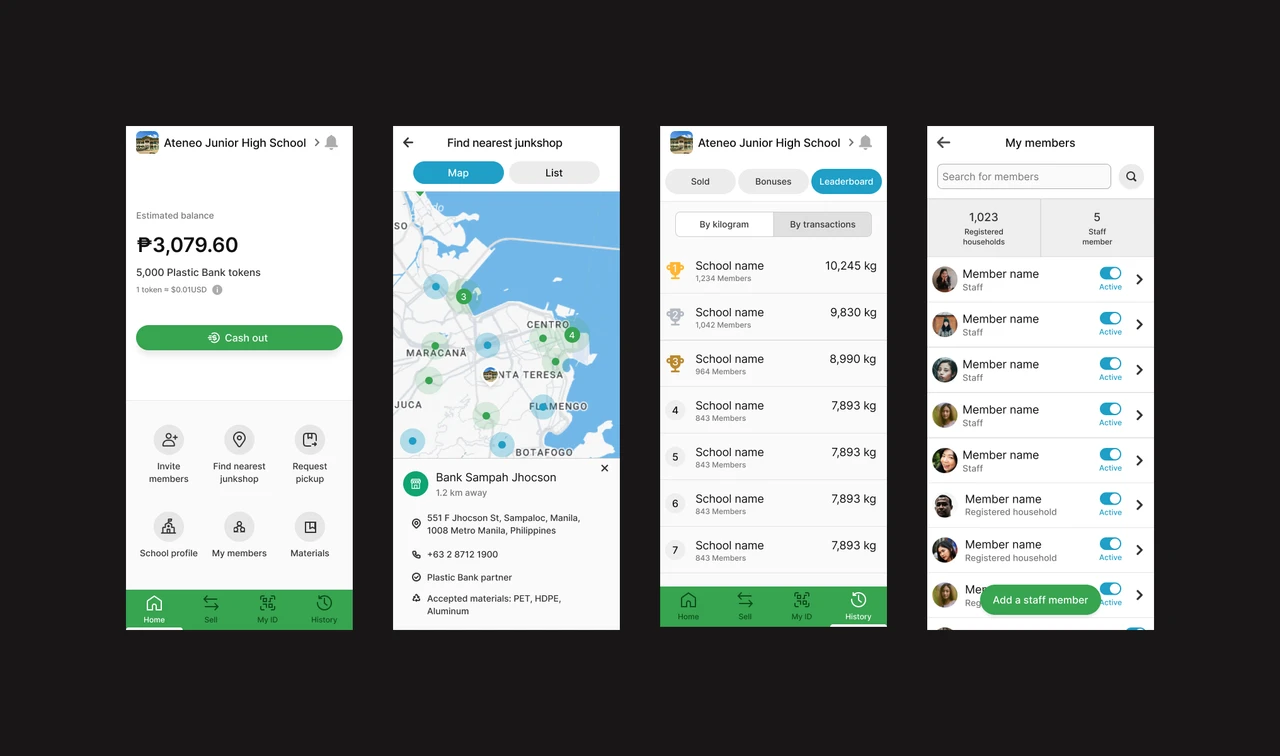 Related school account designs covered balances, collection points, leaderboards, and member management.
Outcome
Onboarding delivered, guidance grounded in research
School and household onboarding completed testing, sign-off, and handoff. The easy-signup delivery report recorded 5,486 household signups across school and bank sampah programs. School photo retake and crop were also combined into one screen.
The research produced a school-specific guidance brief and analytics requirements. The signup total measures combined onboarding reach; it does not establish active recycling or the effect of the proposed guidance.
